Why Bonding Your Water & Gas Pipes is Non-Negotiable for Home Safety
A Simple Guide from 786 Electricals Ltd
If you’ve ever had an electrical inspection or a new consumer unit (fuse board) installed by us at 786 Electricals Ltd, you’ve probably heard us talk about “main protective bonding.” It’s one of those essential jobs that isn’t glamorous but is absolutely critical for your safety.
We often get asked: “Why are you running a thick green and yellow cable to my water and gas pipes? Is it really necessary?” The short answer is yes, it is vital.
This blog post will break down, in simple terms, what bonding is, why it’s so important, and why we always insist on using a cable that meets the minimum 10mm² requirement.
What is Main Protective Bonding? (The Simple Analogy)
Think of your home's electrical system like a water system. Electricity wants to flow, just like water. Now, imagine a sudden, massive spike in water pressure. If all your pipes are connected, the pressure equalises safely throughout the system.
Main protective bonding is the electrical version of connecting those pipes.
It’s a thick green-and-yellow copper cable that connects your main electrical earth terminal (usually near your fuse board) to the incoming metal pipes of your home’s services, like:
- The main water stop tap
- The gas meter inlet pipe
Its job is not to carry electricity under normal conditions. Its job is to be a guardian, waiting to step in only if something goes very wrong.
Why is This Bonding So Essential?
The primary reason is to prevent Electric Shock.
Here’s the scary scenario bonding prevents:
- A fault occurs – for example, a live wire inside an appliance comes loose and touches its metal casing, making the entire appliance live.
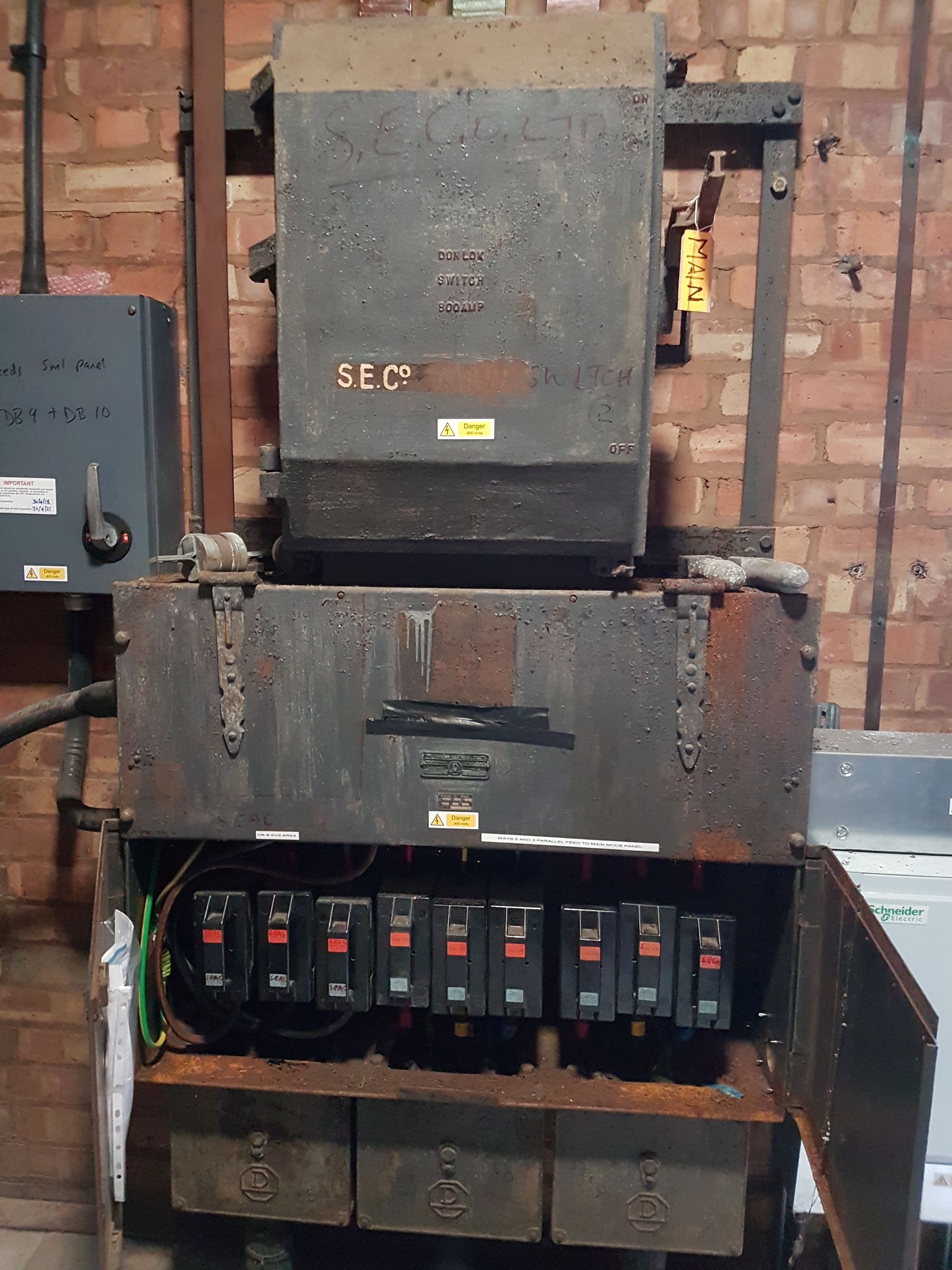
- You have a faulty circuit that doesn’t trip (a very old fuse box might not).
- This faulty appliance is sitting near your kitchen sink. The live fault now seeks a path to earth.
- If your metal water pipes are not bonded, they can become accidentally live. This might happen through the water itself or via contact with another faulty item.
- Because the pipes are not connected to the main earth, the circuit breaker doesn’t know there’s a fault. The electricity sits there, waiting.
- You walk into your kitchen and touch the tap. Your body becomes the easiest path to earth for the electricity, and you receive a severe, potentially fatal, electric shock.
Now, let’s replay that scenario WITH bonding in place:
- The same fault happens, making the water pipes live.
- Instantly, the electricity flows along the thick, low-resistance 10mm² bonding cable back to the main earth terminal.
- This creates a massive and immediate surge of current.
- Your modern consumer unit (fuse board) detects this huge, abnormal current and trips instantly, cutting off the power in a fraction of a second.
- The danger is eliminated before you even have a chance to touch the tap.
Bonding ensures that all exposed metal parts are at the same electrical potential (voltage). This means there is no voltage difference between, say, your radiator and your tap, so you can’t get a shock by touching both at once, even during a fault.
Why Does the Cable HAVE to be 10mm²? (The “Motorway” Analogy)
The UK Wiring Regulations (BS 7671) are very specific: the main protective bonding conductor must be at least 10mm² in size. This isn’t us being fussy or trying to use more expensive materials—it’s a non-negotiable safety rule.
Think of it this way:
- A thin cable (e.g., 2.5mm²) is like a single-lane country road. If a huge number of cars (electrical current from a fault) need to escape immediately, there will be a bottleneck. The cable will overheat, could melt, and fail to carry enough current to trip the fuse. This leaves the dangerous situation active.
- A 10mm² cable is like a wide, multi-lane motorway. It can handle a huge, sudden rush of electrical current with ease, providing a clear and easy path for the fault energy to get back to earth and force the breaker to trip, making the situation safe.
The 10mm² size is calculated to be robust enough to carry the maximum fault current that could ever occur in a domestic property, ensuring it will never be the weak link in your safety chain.
Trust 786 Electricals Ltd to Keep You Safe
When our engineers at 786 Electricals Ltd check or install your main bonding, we are not “inventing work” or trying to “rip you off.” We are fulfilling our most important duty: ensuring your home and your family are protected from the hidden dangers of electricity.
A missing or undersized bonding conductor is a serious safety hazard that we are professionally and ethically obliged to rectify.
If you have any questions at all about the safety of your home’s electrics, particularly if you live in an older property, please don’t hesitate to contact us for a friendly, no-obligation chat. Your safety is our priority.
786 Electricals Ltd – Illuminating Your Home, Safely.