The Hidden Risks of Outdoor EV Consumer Units: Why "Inside" is Always Best Practice
If you are planning an EV charger installation, you might be offered an outdoor consumer unit (fuse box) as a "tidy" solution. While this is legal, it is rarely the best choice for your home’s safety or the charger's lifespan.
In our professional opinion, and backed by the latest industry guidance, we recommend that EV consumer units should always be fitted indoors.
1. Why Outdoor Units are Common (The Reality)
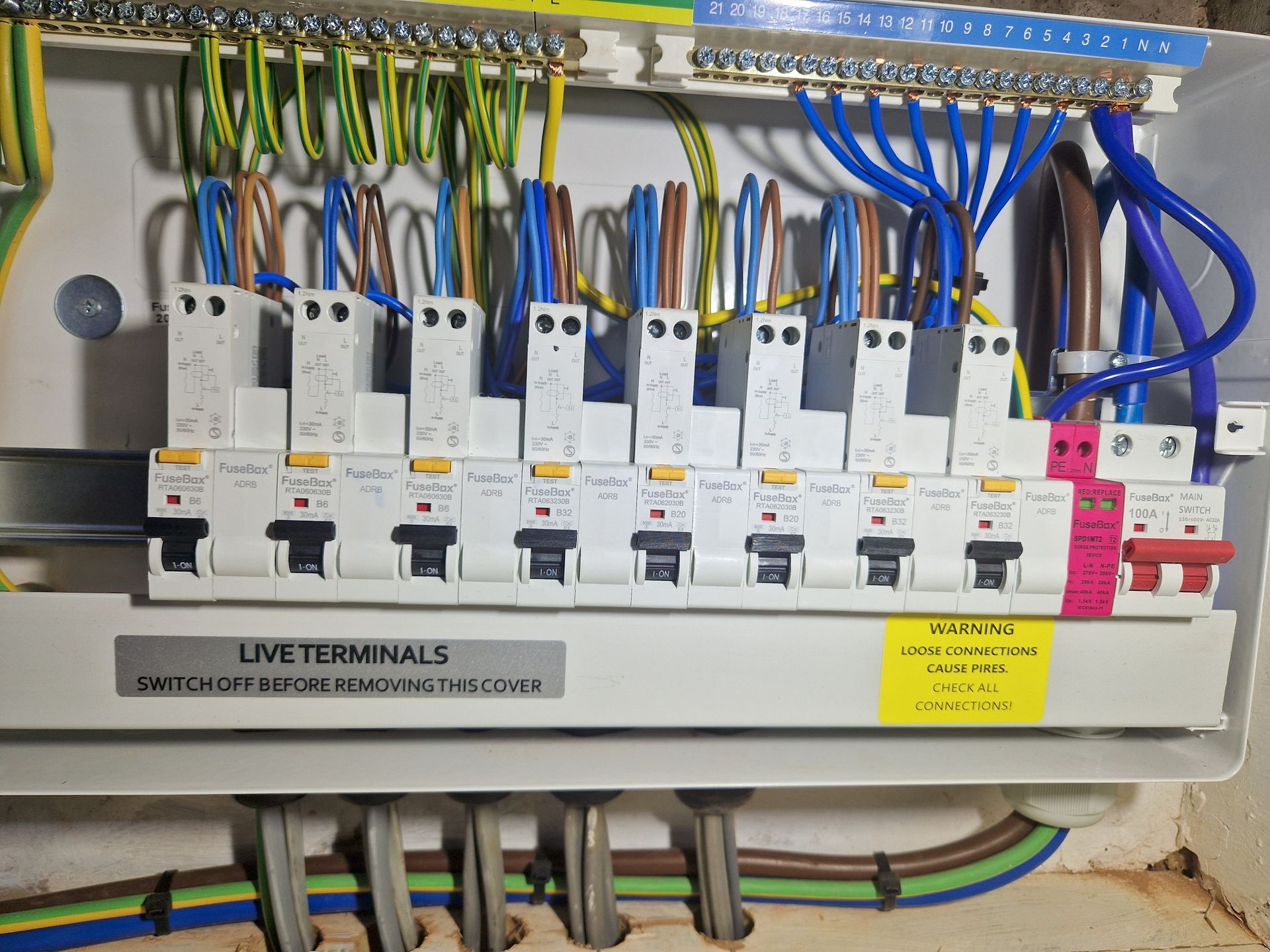
Many electricians use outdoor-rated boxes like the BG (British General) IP65 Enclosure because it is often the path of least resistance.
- Space: Your indoor fuse box is full.
- Convenience: It avoids running cables through your decorated hallway or living room.
- Compliance: Products like the BG IP65 5-Way EV Unit (Screwfix Code: 330YE) are specifically marketed for this.
2. Our Professional Opinion: The "Inside-Only" Rule
We recommend indoor fitting for two primary reasons: Longevity and Serviceability.
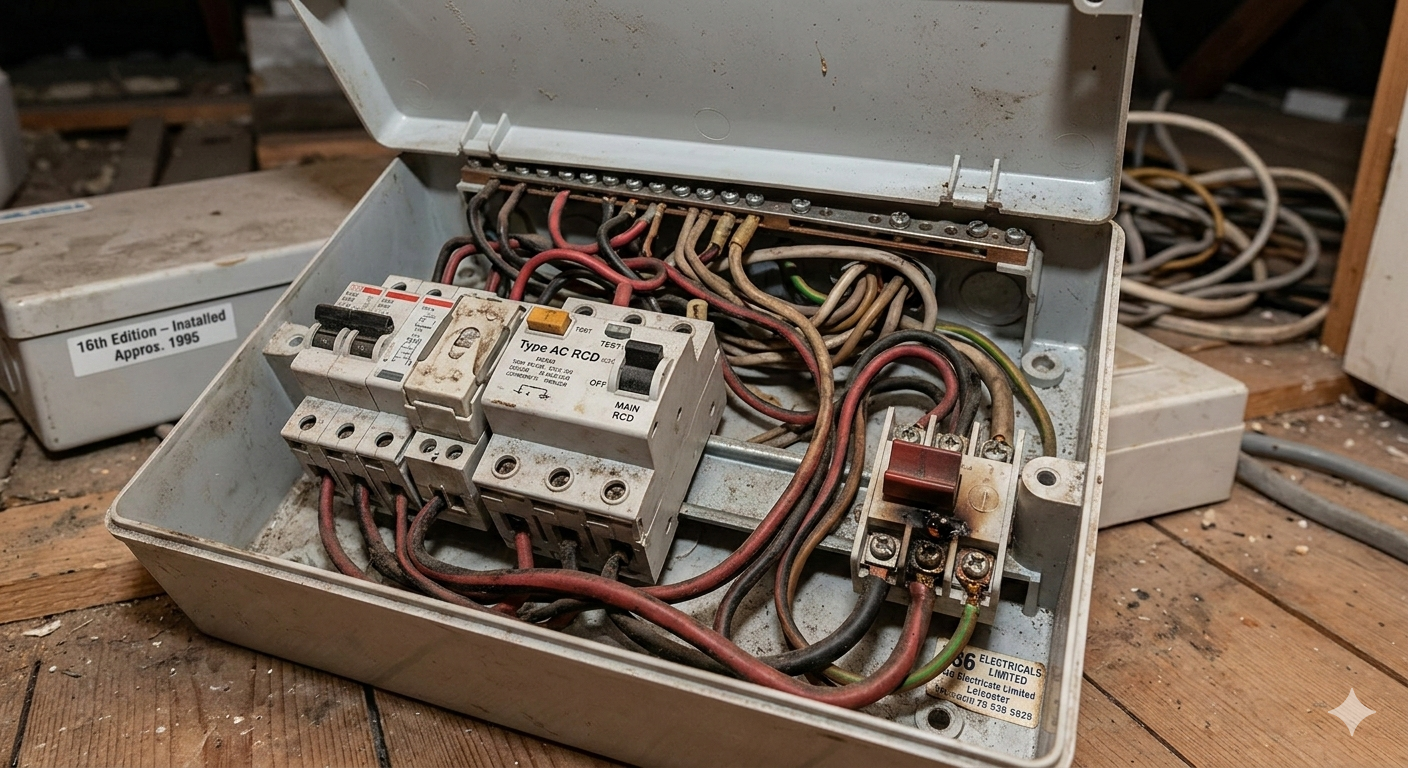
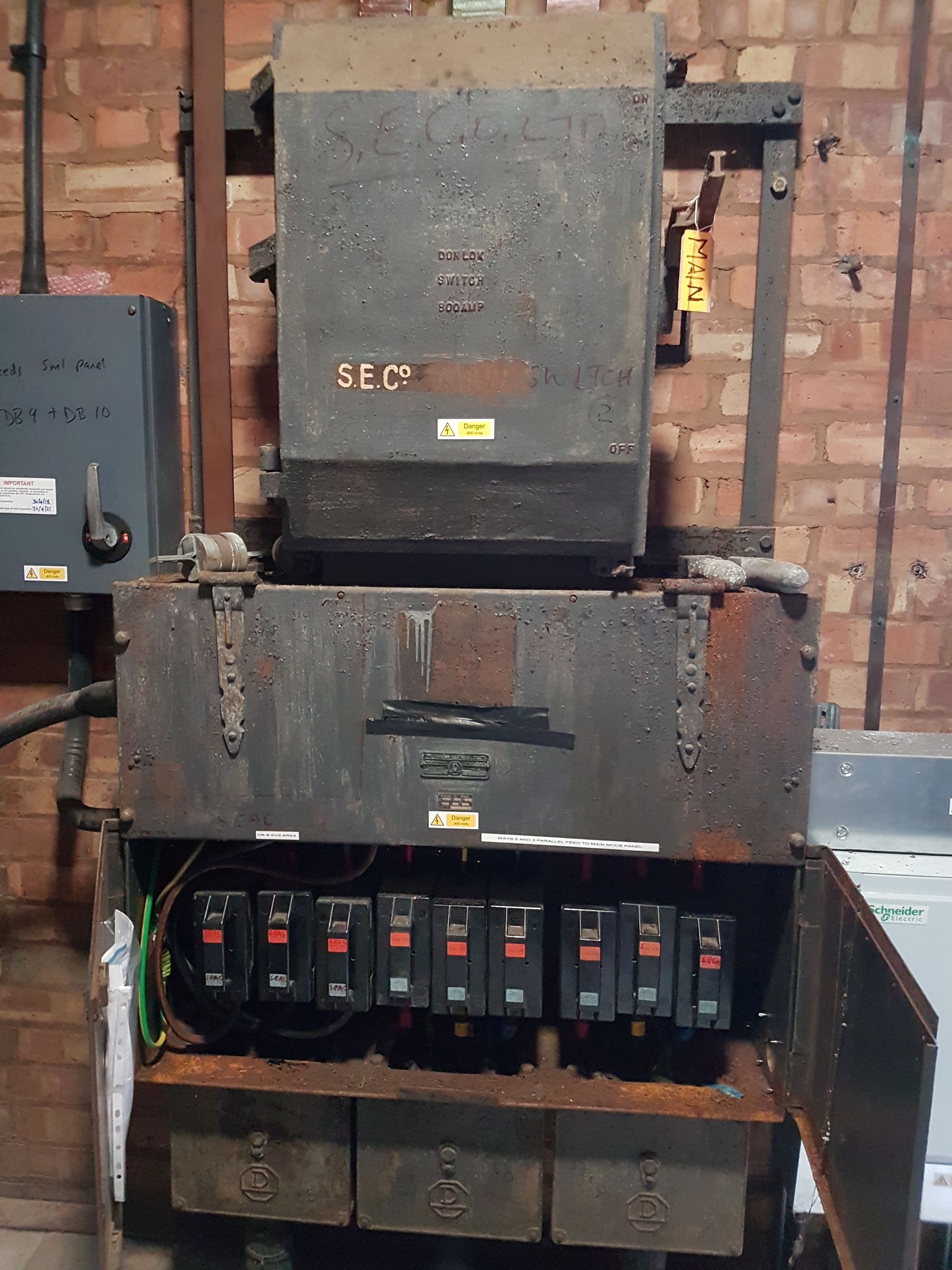
- The "Micro-Environment" Problem: Even an IP65 "waterproof" box cannot stop humidity. When the sun hits a box on a cold day, it "sweats" inside. This condensation causes corrosion on terminals and sensitive Surge Protection Devices (SPD), leading to hidden "metastasis"—where moisture creeps down wires and damages the electronics.
- Thermal Stress: EV chargers pull a heavy 32A load for hours. In summer, an outdoor box in direct sunlight can overheat, causing your power to trip prematurely or the plastic components to become brittle (UV degradation).
- Security & Vandalism: An outdoor unit is a target. It can be easily switched off by an intruder, potentially disabling your home’s security lights or cameras if they are on a shared circuit. Keeping the "brain" of the system inside prevents tampering and accidental damage.
3. The Recommendation: Use the Correct Cable
If you move the unit inside, you need the right cable to travel to the charger outside. We recommend EV Ultra Cable for both outdoor and underground runs.
- For Outdoor/Exposed Walls (Section 2): Use EV Ultra SWA (Steel Wire Armoured). The metal armour provides a physical barrier against garden tools and accidental impact, and it acts as a permanent earth.
- For Longevity (Section 3): EV Ultra cable is designed for the UK climate. It is UV-stabilized, meaning it won't crack or leak under sun exposure like standard internal cables would. It also combines power and data in one sheath for a neater look.
4. Who Recommends an EICR?
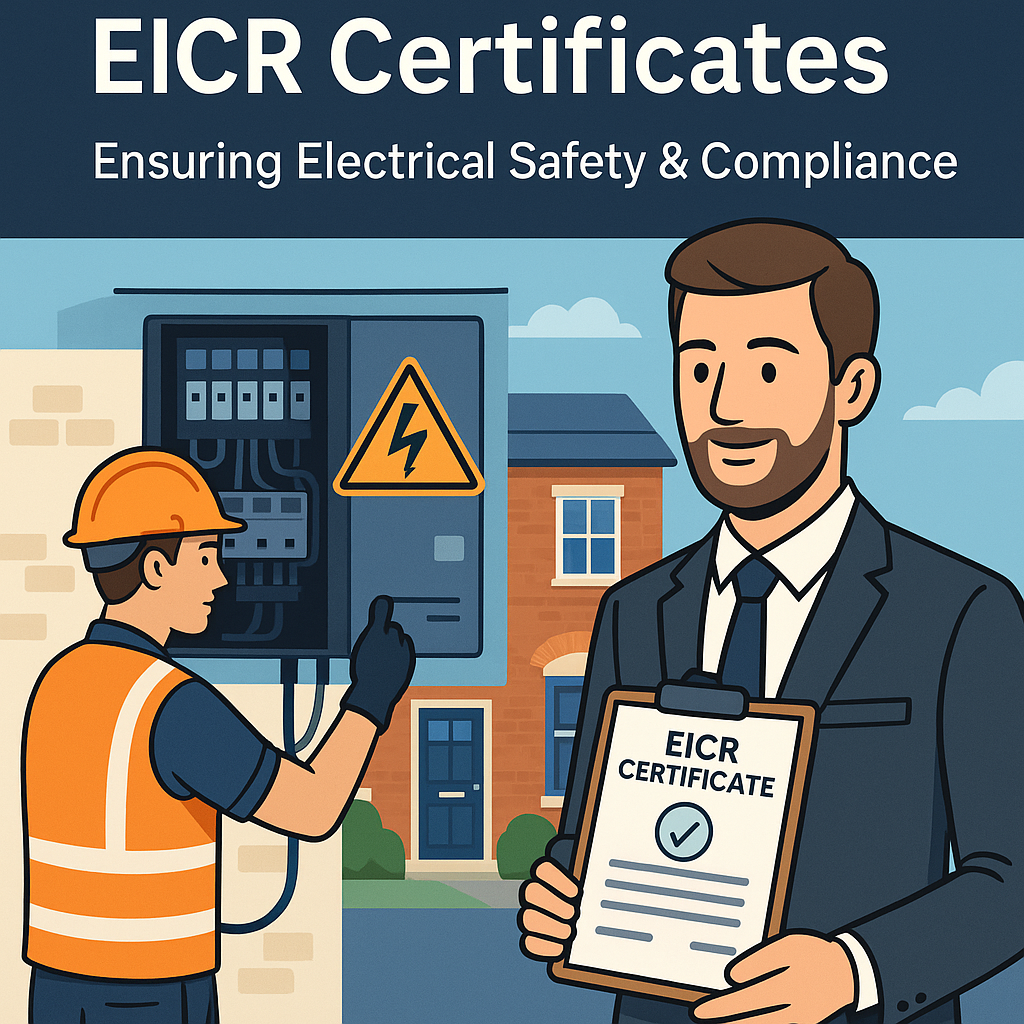
An Electrical Installation Condition Report (EICR) is an official safety check of your home’s wiring.
- Regulatory Bodies: Organizations like the IET (Institution of Engineering and Technology) and Electrical Safety First emphasize that because EV charging is a "high-load" activity, your system is under more stress than a typical home.
- Our Advice: If you have an outdoor consumer unit, we recommend an EICR inspection every 2–3 years (rather than the standard 10).
The Best Way Forward: Ask your installer to locate the protective gear inside your garage or home. Use a high-quality EV Ultra Armoured Cable for the final run to the car. It might cost slightly more initially, but it ensures your charger remains safe and serviceable for decades.